

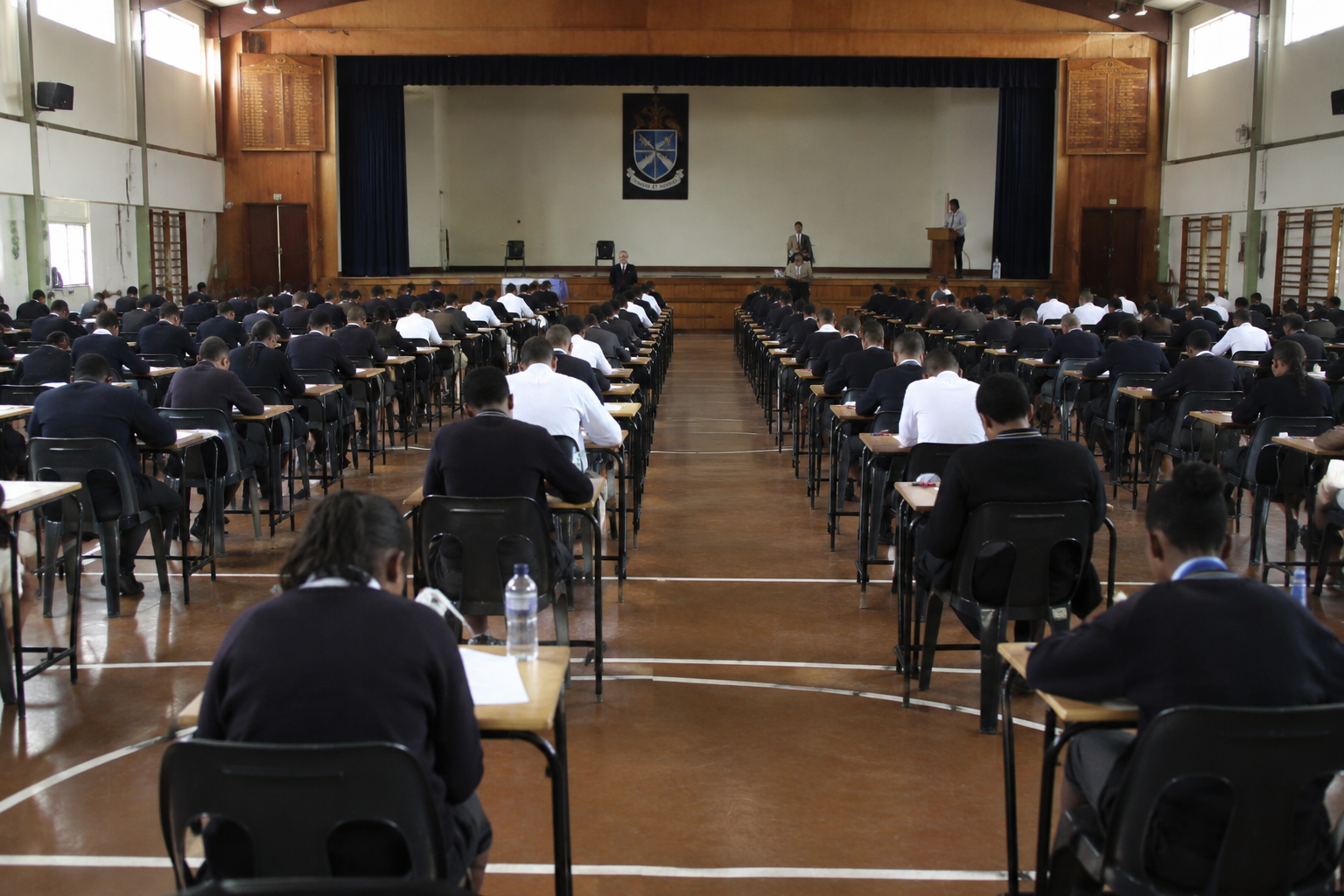
How to Prepare for the Half-Year Examinations
A Practical Guide for Learners and Parents
At St. Athanasius Orthodox Christian School, we believe that academic excellence is achieved through consistent preparation, discipline, and balanced support from both the school and home. Half-year examinations are an important milestone in the academic calendar, as they assess learners’ understanding of work covered during the first half of the year and help identify areas that require improvement.
This guide is designed to help learners prepare effectively for their half-year examinations while encouraging healthy study habits and confidence.
1. Understand the Purpose of Half-Year Examinations
Half-year examinations are not only about grades. They are meant to:
- Evaluate learners’ understanding of key concepts
- Identify strengths and learning gaps
- Prepare learners for final examinations later in the year
- Encourage responsibility, time management, and independent study
When learners understand why they are writing exams, they are more motivated to prepare thoroughly.
2. Start Preparing Early
One of the most common mistakes learners make is waiting until the last minute to study. Effective preparation begins weeks before the examination period.
Tips for early preparation:
- Review class notes daily or weekly
- Revise topics shortly after they are taught
- Ask questions in class if concepts are unclear
- Avoid cramming, as it leads to stress and poor retention
Early preparation allows learners to study calmly and confidently.
3. Create a Realistic Study Timetable
A well-planned study timetable helps learners manage their time efficiently and avoid feeling overwhelmed.
A good study timetable should:
- Allocate time for each subject
- Focus more time on challenging subjects
- Include short breaks to prevent fatigue
- Balance study time with rest, prayer, and family time
Parents are encouraged to assist younger learners in creating and following a study schedule.
4. Organise Study Materials
Learners should ensure that all their study materials are ready before serious revision begins.
This includes:
- Class notes and textbooks
- Worksheets and past assessments
- Study guides provided by teachers
- Stationery such as pens, rulers, and calculators (where applicable)
An organised workspace promotes concentration and reduces unnecessary distractions.
5. Use Effective Study Techniques
Studying is not about the number of hours spent with books open, but about how learners study.
Recommended study techniques include:
- Summarising notes in your own words
- Creating mind maps and diagrams
- Practising calculations and written responses
- Teaching the content to someone else
- Using flashcards for definitions and key facts
Active learning methods help learners remember information more effectively.
6. Practise with Past Papers and Class Tests
Practising past examination papers and class tests helps learners:
- Understand the format of exam questions
- Improve time management
- Identify common mistakes
- Build confidence before the exam
Learners should practise under timed conditions whenever possible to simulate the real examination environment.
7. Maintain a Healthy Routine
Academic success is closely linked to physical and emotional well-being.
Learners should:
- Get enough sleep, especially before exam days
- Eat balanced and nutritious meals
- Drink enough water
- Avoid excessive screen time
- Take short breaks during study sessions
A healthy body supports a focused and alert mind.
8. Manage Stress and Anxiety
Some level of nervousness before examinations is normal. However, excessive anxiety can affect performance.
Ways to manage exam stress include:
- Praying and reflecting to remain calm and focused
- Preparing consistently rather than rushing
- Practising deep breathing
- Staying positive and avoiding negative comparisons
- Speaking to teachers or parents if feeling overwhelmed
Encouragement and reassurance play a vital role during this period.
9. Prepare for the Examination Day
Proper preparation on the day of the examination is essential.
Learners should:
- Pack all required stationery the night before
- Arrive at school early and on time
- Follow examination instructions carefully
- Read each question attentively before answering
- Manage time wisely during the exam
Confidence and calmness are key to performing well.
10. Support from Parents and Guardians
Parents play an important role in a learner’s academic journey.
Parents can support by:
- Providing a quiet study environment
- Encouraging consistency rather than pressure
- Monitoring study progress
- Ensuring learners attend school regularly
- Offering emotional support and motivation
Positive parental involvement significantly enhances learner performance.
Conclusion
Preparing for half-year examinations requires commitment, discipline, and support. At St. Athanasius Orthodox Christian School, we encourage learners to strive for excellence while maintaining balance in their academic, spiritual, and personal lives.
With proper planning, effective study habits, and consistent encouragement, learners can approach their half-year examinations with confidence and achieve their full potential.